Understanding the Purchase of Fake Euros: A Comprehensive Guide
In the contemporary economy, the expansion of counterfeit currency has actually become significantly worrying. Amongst numerous types of counterfeit money, fake Euros are particularly significant due to the euro's status as one of the world's most widely-used currencies. This short article will explore the implications of buying fake Euros, talk about the factors behind it, and check out the prospective legal effects. In addition, it will detail safer options and provide responses to frequently asked concerns.
The Appeal of Fake Euros
Why Would Someone Consider Buying Fake Euros?
There are many reasons an individual might ponder purchasing fake Euros. Here are some significant arguments:
- Desire for Quick Cash: In times of financial difficulty, some might think about counterfeit currency as a quick way to secure money without the need for genuine ways.
- Collectible Purposes: Some individuals might wrongly think that acquiring replicas or fake currency is a way to collect distinct or historical items.
- Deceitful Activities: Others might intend to utilize fake currency to engage in prohibited activities, such as frauds, tricking sellers, or laundering money.
While these factors might seem tempting, they feature considerable risks and repercussions.
The Dangers of Buying and Using Fake Euros
Getting fake Euros is prohibited and poses numerous risks:
Legal Ramifications:
- Criminal Charges: Buying or utilizing counterfeit currency can cause severe legal penalties, consisting of fines and jail time.
- Civil Liabilities: Victims of counterfeit cases can submit suits against offenders, leading to extra monetary effects.
Economic Impact:
- Counterfeit currency undermines the economy and financial systems. The presence of fake money can devalue legitimate currency and rely on monetary transactions.
Social Consequences:
- Engaging in prohibited activities can cause a ruined reputation and social isolation. 100% Echtes Falschgeld of being included in counterfeit currency can impact relationships and opportunities in life.
Recognizing Fake Euros
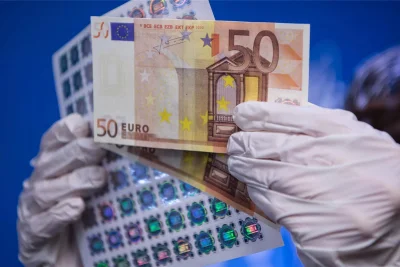
For those who may come across or suspect fake Euros, comprehending how to determine them is essential. Authentic Euro banknotes have numerous features created to thwart counterfeiting. These consist of:
- Watermarks: Genuine Euros have a watermark representing the stated value of the note.
- Security Thread: A horizontal security thread is embedded in the paper and changes color when slanted.
- UV Features: Under ultraviolet light, the euro banknotes display particular colors and patterns that represent authenticity.
- Microprinting: Tiny text can be discovered in specific areas and is only noticeable under magnification.
Steps to Verify the Authenticity of Euros:
- Examine the Features: Look for watermarks, security threads, and color-shifting ink.
- Feel the Texture: Authentic Euros have a distinct texture and are somewhat raised in certain locations.
- Utilize a Counterfeit Detection Pen: These pens can help recognize the existence of starch-based products that counterfeit notes typically consist of.
Legal Alternatives to Obtaining Euros
Instead of pursuing invalid methods, people can think about more secure and legal options for acquiring Euros:
- Currency Exchange Services: Various worldwide banks and currency exchanges provide competitive rates for transforming currency.
- ATMs Abroad: Withdrawing Euros directly from ATMs while taking a trip is another practical choice, with reasonable currency exchange rate and minimal trouble.
- Online Currency Exchange: Several reputable online platforms supply currency exchange services without the requirement for physical interaction.
Frequently Asked Questions about Buying Fake Euros
Q1: What happens if I unconsciously get a fake Euro?
If you get a fake Euro without knowing its real nature, you should report it to regional authorities or your bank. Regrettably, the majority of countries will not make up for the loss, as it is generally the receiver's duty to look for authenticity.
Q2: Are there legal replicas or novelty Euros available?
While there are novelty products or reproductions, they need to be plainly marked as such. Getting or using these for genuine transactions is prohibited and can lead to serious effects.
Q3: How can I protect myself from counterfeit Euros when traveling?
- Usage Trusted Banking Outlets: Exchange your money at banks or reputable exchange services, avoiding informal vendors.
- Be Informed: Familiarize yourself with the security features of the Euro banknotes before traveling.
- Beware in Transactions: When accepting cash payments, put in the time to take a look at the notes thoroughly.
Q4: Are counterfeit detection methods trustworthy?
Counterfeit detection methods, such as UV lights and counterfeit detection pens, can be effective, especially when utilized in combination. However, no method is foolproof, so alertness is always motivated.
While the appeal of purchasing fake Euros may seem enticing for some, the risks and prospective consequences far outweigh any perceived advantages. Individuals need to understand the legal, financial, and social ramifications of counterfeiting and seek legitimate opportunities for currency acquisition. Knowledge and awareness are vital in combating the expansion of counterfeit currency and preserving the stability of the monetary system. In the end, the significance of sticking to lawful financial practices can not be overemphasized; buying fake Euros is not simply illegal, but it is likewise a pathway to a wide range of issues.